

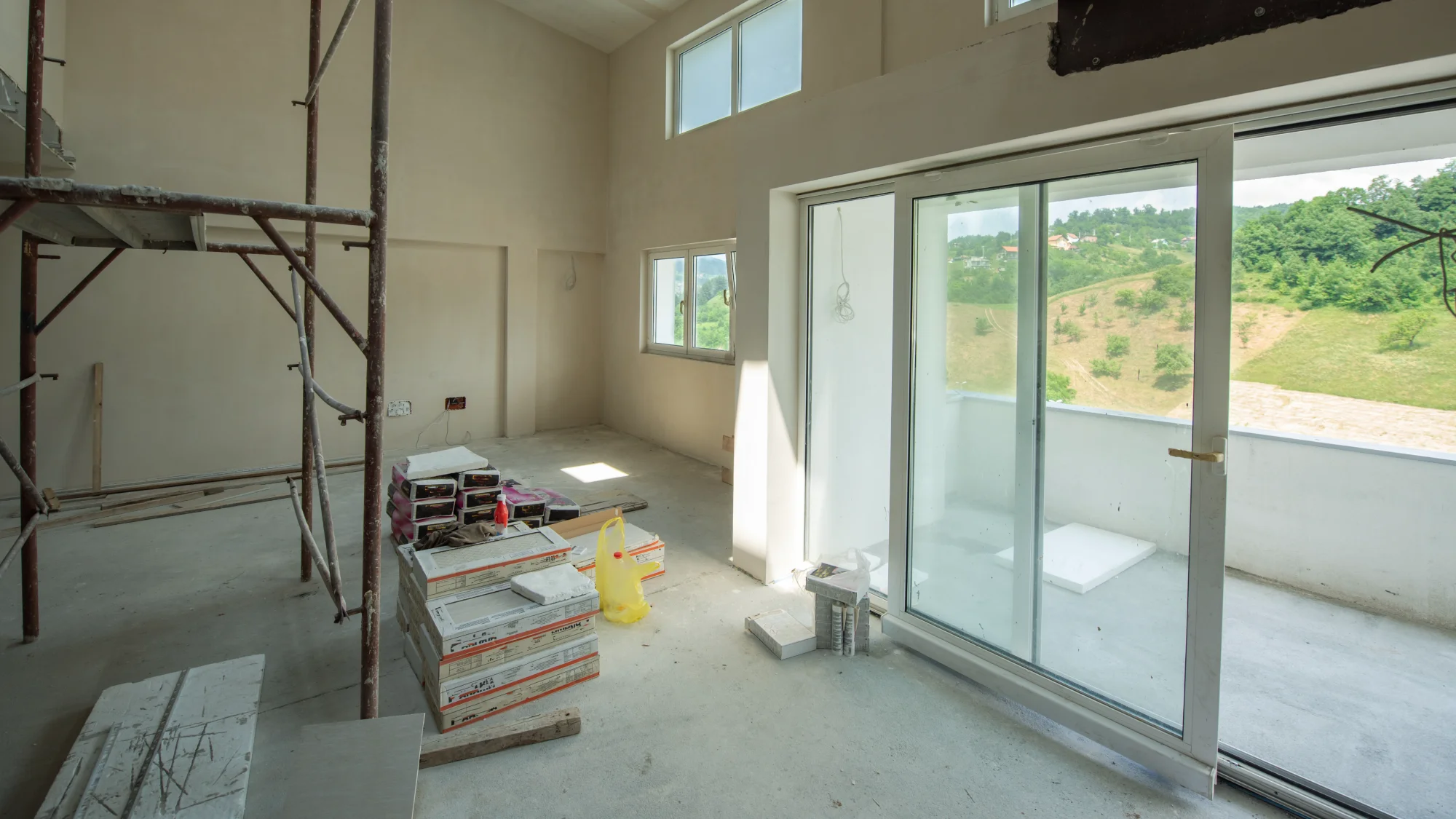

Construction loan contingency reserves are one of the most overlooked parts of project financing, but they can determine whether a project finishes successfully or stalls out. While most investors focus on interest rates and loan-to-value ratios, the contingency reserve quietly protects the entire investment from unexpected financial hits.
What Is a Contingency Reserve?
A contingency reserve is a set amount of money within a construction loan, calculated as a percentage of the total loan, that covers unexpected costs or overruns during construction. It is not optional padding. It is a required component that shields investors from surprise expenses that would otherwise come directly out of pocket.
Why Contingency Reserves Matter
Construction projects are full of surprises. Material costs can spike, labor shortages can appear, and site conditions can change without warning. Without a contingency reserve, these extra costs fall on the investor and can stall or kill a project. The reserve keeps the project financially viable when things do not go according to plan.
How Much Should You Set Aside?
Industry standards recommend a contingency reserve of 5-10% of the total project budget. The right amount depends on the project's complexity, site conditions, and your risk tolerance. Revisit the reserve amount periodically throughout the build as circumstances change.
How the Reserve Is Funded
The contingency reserve is typically built into the construction loan itself. It is a portion of the borrowed amount set aside specifically for overruns and unexpected costs. Veristone, for example, structures the reserve into the loan agreement so those funds are available when needed, without the investor seeking additional financing.
Contingency Reserves and Loan Approval
Lenders evaluate your contingency plan as part of the approval process. A well-planned reserve signals a well-organized project and a prepared investor, which can tip the approval decision in your favor. On the other hand, having no contingency plan raises concerns about feasibility and preparedness.
Managing Your Reserve Effectively
Having a buffer is reassuring, but it needs to be managed carefully. Do not treat the reserve as extra cash for upgrades or non-essential changes. Only tap into it when genuinely necessary, and keep a close eye on the remaining balance as the project progresses.
The Role of Due Diligence
Thorough planning and budgeting reduce the chances of needing the contingency reserve at all. Comprehensive site inspections, realistic budgets, and detailed timelines help you anticipate complications before they become financial problems.
When to Use the Reserve
Use the contingency reserve only for unforeseen expenses that are necessary for project completion and cannot be funded any other way. It should not cover poor planning or fill gaps in a fundamentally flawed budget.
Negotiating Reserve Terms with Your Lender
The terms surrounding the contingency reserve are negotiable. You can discuss the reserve size, the conditions for accessing the funds, and what documentation is needed for withdrawals. Work these details out before the loan closes.
Documenting Reserve Withdrawals
Every withdrawal from the contingency reserve should be documented with a clear reason and communicated to the lender. Proper documentation and transparency maintain your credibility and can benefit you in current and future lending relationships.
The contingency reserve is a practical safety mechanism that keeps construction projects on track financially. For any investor taking on a construction project, managing this reserve with discipline and transparency reflects responsible planning and strengthens your position with lenders. With the right approach, the reserve protects against the unpredictable nature of construction and supports profitable outcomes.
