

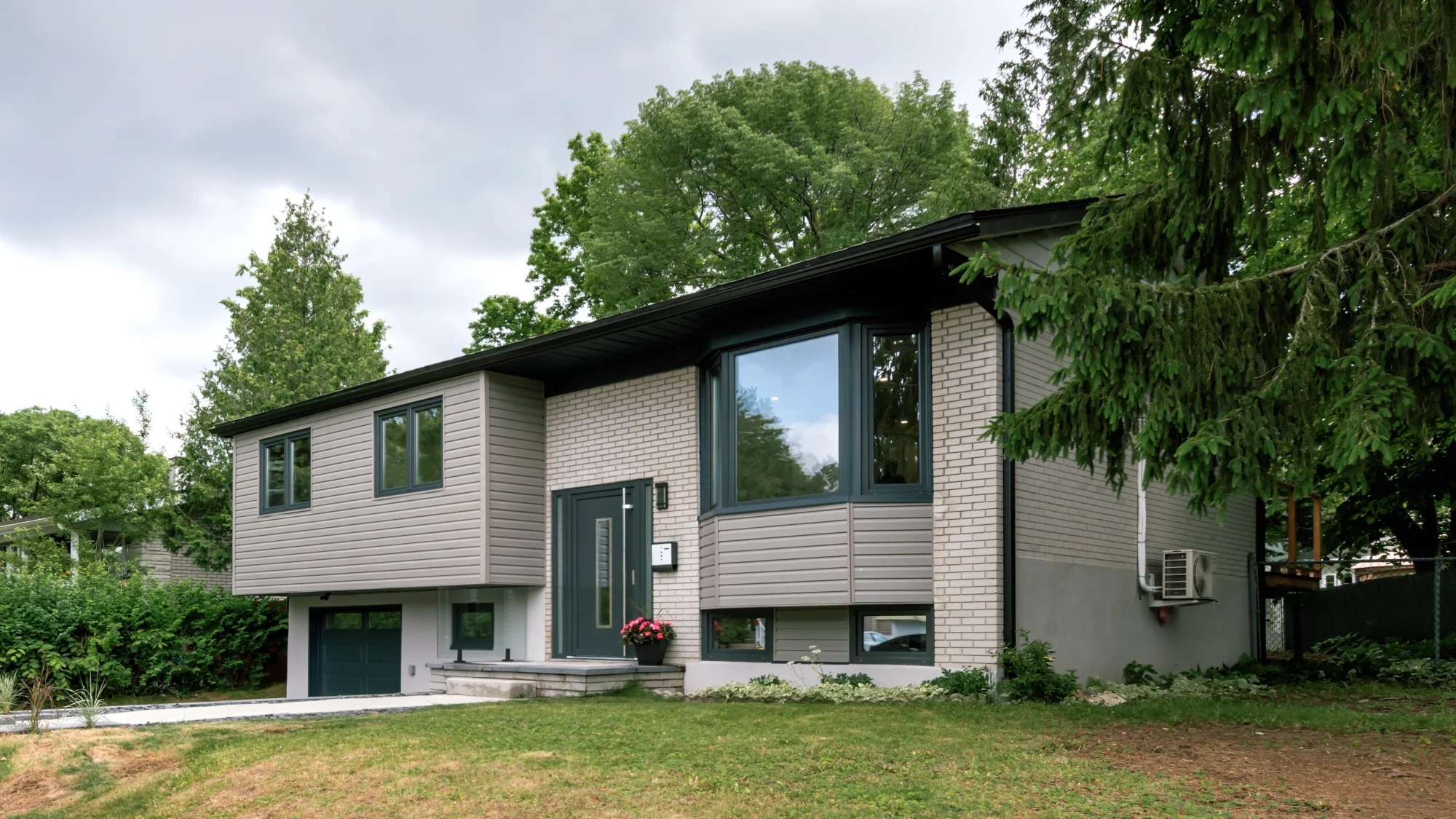

Construction loan inspections are a core part of the financing process for any new build or major renovation. They protect both the lender's investment and the borrower's project by verifying that work is on track before additional funds are released. Understanding how these inspections work helps you prepare for them and avoid costly delays.
How Construction Loan Inspections Work
Construction loan inspections are evaluations conducted by the lender or a third-party inspector at various stages of the build. Their purpose is to confirm that the project is progressing as planned, complies with building codes, and stays within budget. After a successful inspection, the lender releases the next draw of funds needed for the following construction phase.
Inspections generally occur at major milestones: after the foundation is poured, framing is completed, roofing is installed, and the interior is finished. These checkpoints align with the stages where contractors need to pay for materials and labor.
The Inspection and Draw Process
The process starts when the contractor submits a draw request to the lender, detailing the completed phase and expenses incurred. The lender then schedules an inspection to verify the work. If everything checks out, the lender approves the draw and disburses the next round of funds.
To prepare, thoroughly understand the draw schedule and inspection requirements in your loan agreement. Keep comprehensive records of all construction activities and costs so you can present a clear, detailed draw request at each milestone.
Selecting the Right Contractor
Your contractor directly affects inspection outcomes. A reliable, experienced contractor delivers quality work and manages the construction process effectively, reducing the chance of inspection failures. Get multiple bids and check references before making your selection.
Handling Inspection Failures
An inspection might reveal incomplete work, work that does not match the approved plans, or missed deadlines. In these cases, the draw is held until the issues are fixed. This leads to delays and additional costs. To reduce this risk, actively oversee the project on a regular basis.
Budget Overruns and Contingency Planning
If your project exceeds the budget, the lender is not obligated to increase the loan amount. This makes accurate budgeting from the start and a contingency reserve for unexpected expenses both essential. Running out of funds mid-project is one of the most common reasons construction loans go sideways.
The Punch List
As the project nears completion, the inspector compiles a punch list of items that need to be finished or corrected. Clearing the punch list is typically required before the lender releases the final draw. Allocate time and resources specifically for these items to avoid delays at the finish line.
Environmental and Safety Compliance
Inspections also cover environmental and safety standards. Improper disposal of hazardous materials or failure to follow safety regulations can halt both progress and funding. Make sure your contractor complies with all applicable environmental and safety requirements.
What Happens After All Inspections Pass
Once construction is complete and all inspections are passed, the construction loan typically converts to a permanent mortgage or is paid off through refinancing. Successfully passing every inspection is what moves your project from active construction to a completed, income-producing asset.
Construction loan inspections are a standard part of project financing. By staying organized, maintaining oversight of the build, and keeping communication open with your lender and contractor, you can move through the inspection process efficiently and keep your project on schedule.
