

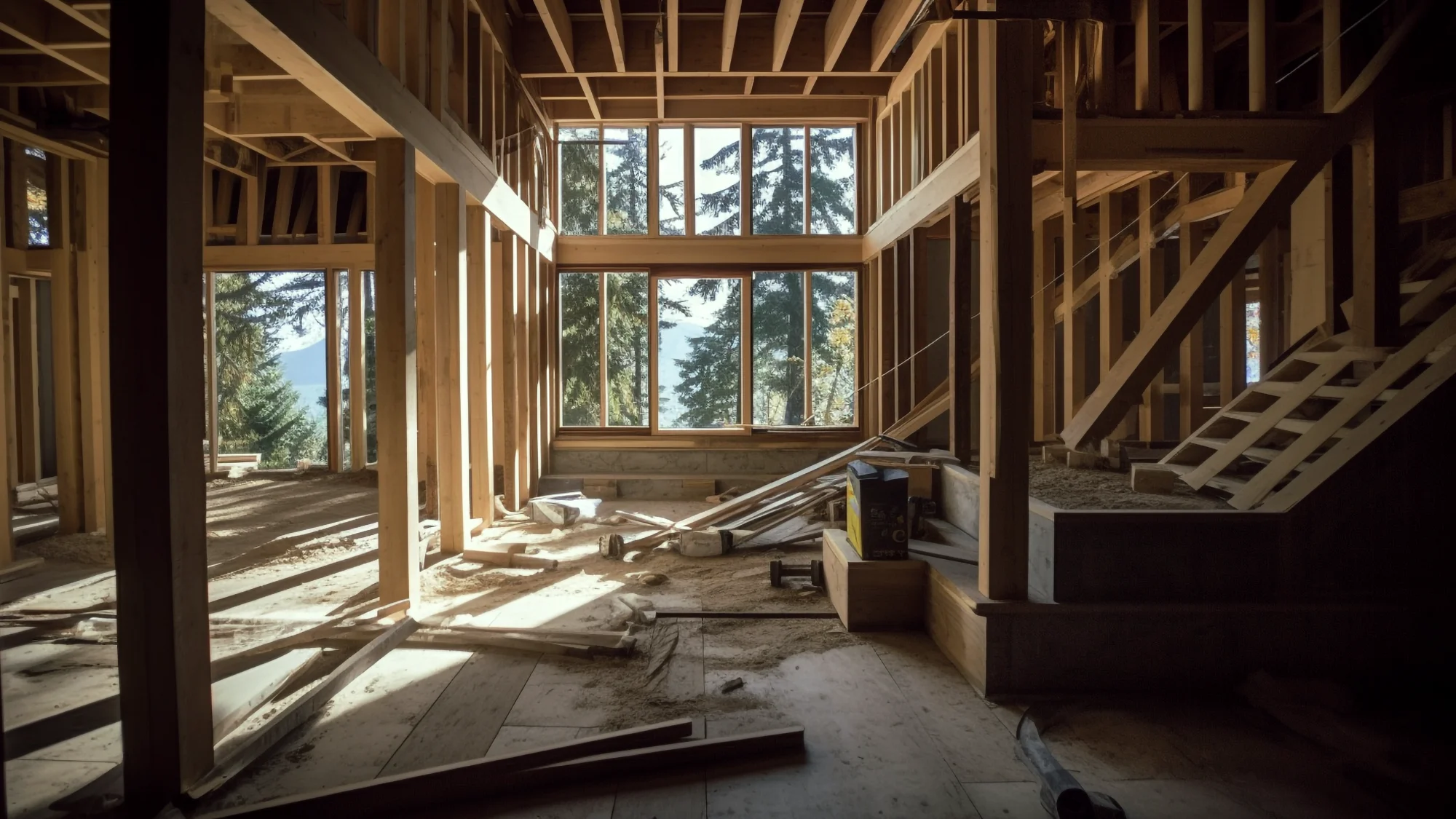

The right construction loan lender does more than provide capital. They become a strategic partner in your real estate project, offering flexibility, industry knowledge, and support that can directly affect your project's success. Choosing the wrong lender, on the other hand, can create unnecessary friction when you can least afford it.
Construction loans differ significantly from traditional mortgages. They finance the development process before a project generates revenue, covering land acquisition and construction costs with funds disbursed in stages as work progresses. This structure makes the lender-borrower relationship especially important.
What to Look for in a Construction Loan Lender
Go beyond surface-level financials when evaluating lenders. Consider their experience with projects similar to yours, their reputation in the market, and the quality of their customer service. You want a lender who is genuinely invested in your project's success, not just the interest payments.
For hard money lenders, who provide loans based primarily on the property itself rather than borrower creditworthiness, also evaluate the speed of their financing process and their transparency. Hard money construction loans are particularly useful for investors who need fast funding to take advantage of time-sensitive deals.
The Application Process
Construction loan applications are more involved than standard mortgage applications. Lenders will examine your project's feasibility, your team's experience, and the projected cash flow. Come prepared with a detailed construction plan, a realistic budget, and timelines that match the project scope.
Approval often depends on your ability to show how the money will be used effectively. Lenders monitor the project closely and typically require periodic inspections before releasing additional funds, which helps them manage risk and verify the project is on track.
Using Your Lender's Expertise
Once you have secured your construction loan, take advantage of your lender's knowledge and experience. Established lenders have been involved in many projects and can offer insights into potential challenges and solutions. This is a resource many borrowers underutilize.
Keep your lender updated on the project's progress, challenges, and any changes. A lender who is informed and involved is more likely to offer flexibility when you need changes to the loan structure or additional funds.
Growing Your Network Through Your Lender
Many construction loan lenders have extensive industry contacts. They can connect you with contractors, architects, and other professionals who add value to your project. These relationships benefit not just the current build but future projects as well.
Transitioning to Permanent Financing
When construction is complete, you will typically transition the construction loan to a permanent mortgage or seek refinancing. This is a stage where a knowledgeable lender provides guidance on the best financial path forward based on your specific situation.
Handling Unexpected Challenges
Every construction project hits unexpected obstacles. Having a lender who will work with you through those challenges, whether through financial advice, loan restructuring, or other support, makes a real difference. Maintaining a contingency reserve also shows your lender that you are prepared for surprises.
Selecting the right construction loan lender is about more than rates and terms. It is about finding a partner who understands your project, supports you through the build, and helps you transition to a profitable outcome. Take the time to evaluate your options thoroughly before committing.
