

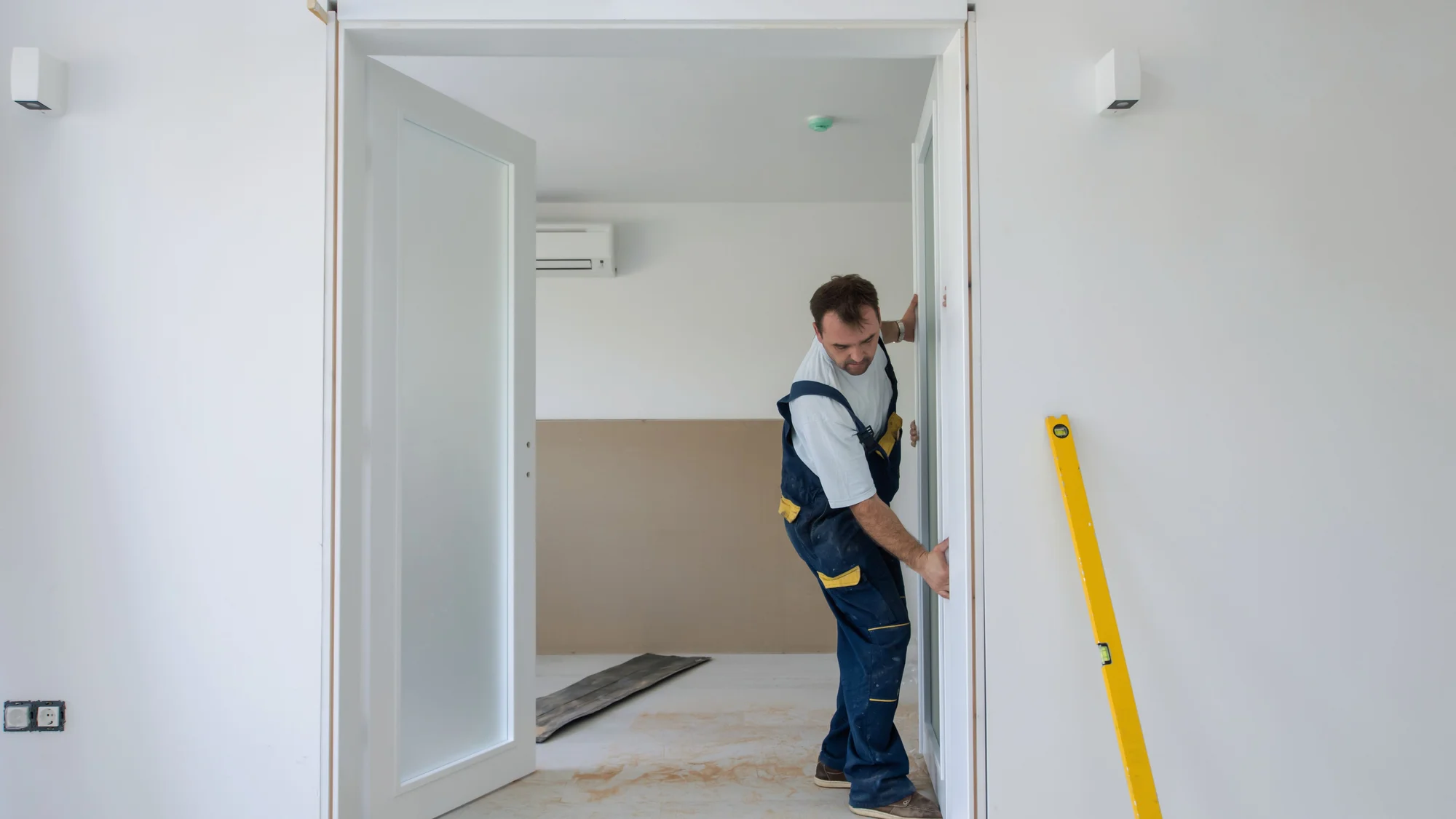

Distressed properties represent some of the best opportunities in real estate investing. Foreclosures, short sales, and properties in disrepair are often priced well below market value. But acquiring them requires fast, flexible financing that traditional banks rarely provide. Hard money loans fill that gap, giving investors the capital to move quickly on deals that others cannot.
Why Hard Money Works for Distressed Deals
Distressed properties come with conditions that make conventional lenders uncomfortable: deferred maintenance, structural issues, code violations. Banks typically will not finance these properties at all. Hard money lenders like Veristone focus on the property's value and potential rather than its current condition, making them a natural fit for these investments.
Speed matters too. Distressed properties often sell at auction or through time-sensitive processes. Hard money loans can close in days, putting you in a position to act when the opportunity appears.
Understanding After-Repair Value
A key advantage of hard money lending for distressed properties is the focus on after-repair value (ARV). Lenders evaluate what the property will be worth once renovations are complete, not just what it is worth today. This means investors can secure financing even when the property's current condition would disqualify it from conventional lending.
Planning Your Renovation Strategy
A clear renovation plan is essential. Know the scope of work, get contractor estimates, and build a realistic timeline before approaching a lender. Experienced hard money lenders will review your plan closely, so the more detail you provide, the smoother the process will be.
Build relationships with reliable contractors and real estate professionals who can provide accurate estimates and deliver on schedule. Renovation delays directly impact your holding costs and overall returns.
Managing Costs and Timelines
Hard money loans carry higher interest rates than conventional financing, often in the double digits. This makes time your most expensive variable. Investors who can renovate and sell quickly, or who have tenants ready to move in, reduce their holding costs and maximize returns.
Budget conservatively and include a contingency for unexpected expenses. Construction projects rarely go exactly as planned, and having reserves prevents a minor setback from becoming a major problem.
Due Diligence on Distressed Properties
Before committing to any distressed property, do thorough due diligence. Inspect the property carefully, research title issues, understand the local market, and verify that your projected renovation costs are realistic. The "distressed" label means the property comes with known issues. Your job is to make sure there are no unknown issues that would blow up your budget.
Turning Distressed Properties Into Profit
Hard money loans are a powerful tool for investors who see opportunity where others see problems. By combining fast financing with a well-researched renovation plan and a clear exit strategy, you can transform undervalued properties into profitable investments. The key is preparation, realistic budgeting, and the discipline to stick to your plan.
