

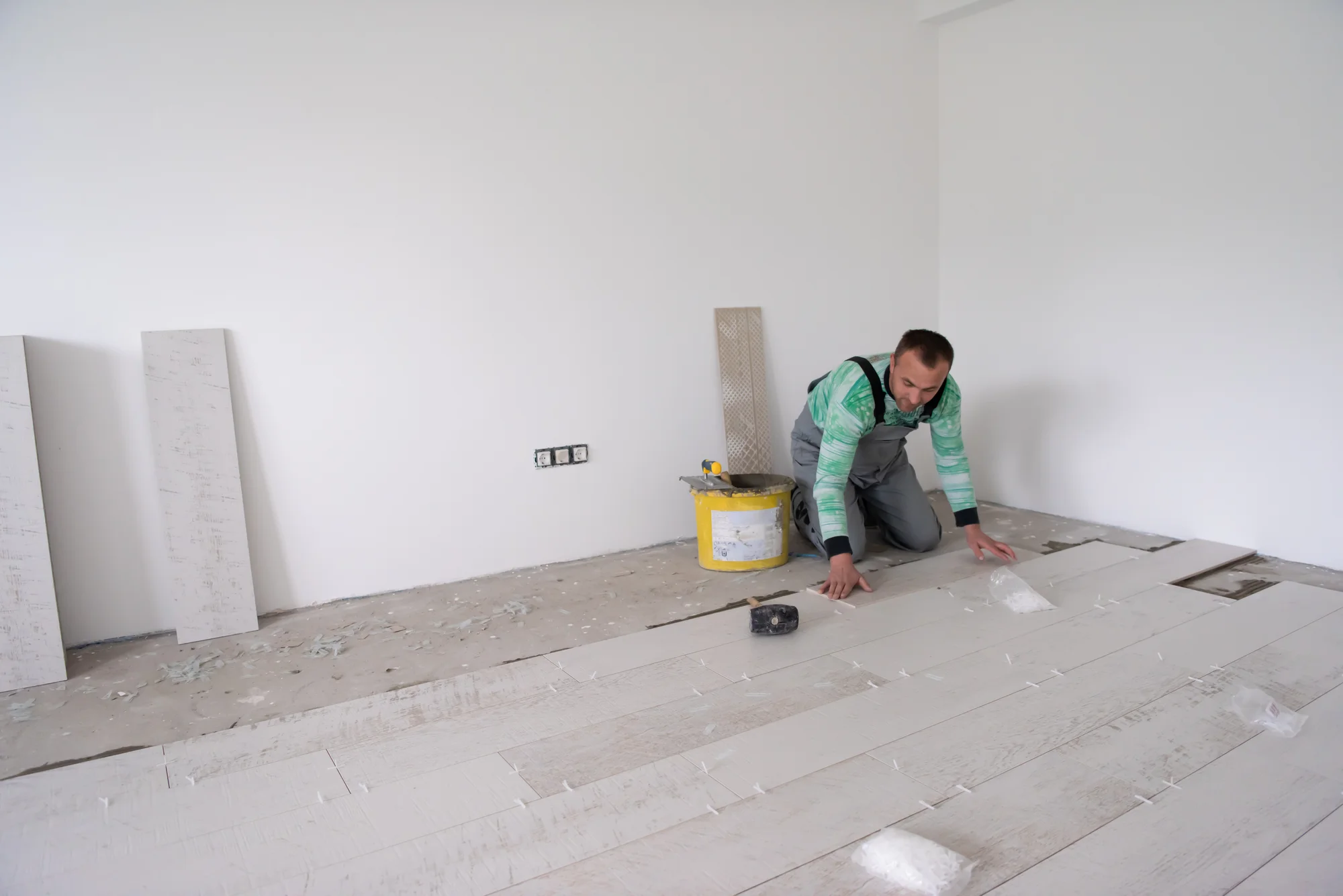

Spec home construction financing is one of the most common reasons builders and investors turn to hard money lenders. Banks move slowly and often avoid lending on properties without a buyer attached. Hard money fills that gap. If you understand how spec construction loans work, you can move faster, build smarter, and keep your pipeline full.
What Is Spec Home Building?
Spec building means constructing a home without a committed buyer. The builder selects the lot, designs the home, finances the project, and builds it with the intention of selling on the open market once the home is completed. Some builders sell during construction if a buyer comes along, but the project starts without that guarantee.
This is different from custom builds, where a buyer is already under contract and involved in design decisions. Spec building carries more risk because the builder absorbs all costs upfront and relies on the market to deliver a buyer at the right price.
How Hard Money Construction Loans Work for Spec Homes
A spec home construction loan is a short-term loan that funds the ground-up build of a residential property. The loan covers construction costs and sometimes a portion of the land purchase. Funds are not released all at once. Instead, the lender disburses money through a draw schedule tied to construction milestones.
Hard money lenders can close spec construction loans in as few as 10 to 15 business days. That speed matters when you are trying to lock down a lot, secure subcontractors, and keep your build timeline tight. Traditional banks often take 45 to 90 days to close on the same deal, if they approve it at all.
The Draw Schedule: How Funds Are Released
The draw schedule is the structure that controls when and how loan funds reach the builder. A typical spec home draw schedule includes five to seven stages:
- Site preparation and foundation
- Framing and roofing
- Rough mechanicals (plumbing, electrical, HVAC)
- Insulation and drywall
- Interior finishes, fixtures, and appliances
- Final landscaping and punch list items
Before each draw is released, the lender sends a third-party inspector to verify that the work for that stage has been completed. This protects both sides. The builder gets funded for work already done, and the lender avoids releasing money for work that has not happened yet. Staying on top of your draw schedule keeps cash flowing and prevents project delays caused by funding gaps.
Loan Sizing: LTV, ARV, and Loan-to-Cost
Hard money lenders size spec construction loans using a combination of loan-to-value (LTV), after-repair value (ARV), and loan-to-cost (LTC) ratios. For spec homes, lenders focus heavily on the projected as-built value of the finished property.
Most lenders cap spec construction financing at 65% to 75% of the as-built appraised value. They also look at loan-to-cost, comparing the loan amount to the total project budget including land, permits, and construction. A builder putting more equity into the deal gets better terms because the lender's risk goes down.
Strong comparable sales in the area are critical. If recently sold homes support the projected sale price of your spec build, the lender has more confidence in the deal. Weak comps or a softening market will push lenders to lower their LTV or require more borrower equity.
Exit Strategies for Spec Builders
Every spec construction loan needs a clear exit strategy before the first draw is released. Lenders want to know exactly how they are getting repaid. The two primary exits are selling the finished home or refinancing into long-term financing.
Sell the home. This is the most common exit for spec builders. The home goes on the market as soon as it is finished, and the construction loan is paid off from the sale proceeds. Builders who price correctly and build in desirable locations often sell within 30 to 90 days of completion.
Refinance and hold as a rental. Some builders choose to keep the finished home as a rental property. In that case, the construction loan is paid off through a refinance into a DSCR loan or conventional rental property mortgage. This works best when the rental income comfortably covers the new monthly payment and the property cash flows from day one.
Having a backup exit matters. If the home does not sell as quickly as expected, a refinance option prevents you from being stuck with an expiring loan and no way out.
Risk Management for Spec Home Projects
Spec building carries real risk, and lenders evaluate how well you manage it. Here are the areas that matter most.
Budget accuracy. Lenders review your construction budget line by line. Overestimating your sale price or underestimating your build costs will kill a deal. Include a contingency reserve of 10% to 15% for unexpected costs like material price increases, weather delays, or change orders.
Builder's risk insurance. Every spec construction project requires a builder's risk policy. This coverage protects against fire, theft, vandalism, and weather damage during the build period. Standard homeowner's insurance does not cover properties under active construction. Your contractor should also carry general liability insurance and workers' compensation. The lender will require proof of coverage before funding the first draw.
Market conditions. Building a spec home in a softening market multiplies your risk. Lenders want to see that buyer demand supports your project's price point and location. If inventory is climbing and days on market are increasing, expect tighter loan terms or a lower LTV.
Timeline discipline. Every month of construction delay costs money in interest, insurance, and holding costs. Experienced spec builders keep their projects on schedule by lining up subcontractors in advance, pulling permits early, and ordering materials before they are needed on site.
How Lenders Evaluate Spec Projects
Hard money lenders underwrite spec construction loans differently than renovation or bridge loans. The key factors they evaluate include:
- Builder experience. A track record of completed spec homes is one of the strongest factors in loan approval. First-time spec builders may face higher rates, lower leverage, or a requirement to partner with an experienced general contractor.
- Lot and location. The land must be suitable for the proposed build, with utilities available and zoning in place. Location drives the sale price, so lenders want to see that the neighborhood supports the finished home's value.
- Plans and permits. Detailed architectural plans, engineering reports, and approved or pending building permits show the lender that the project is ready to move forward.
- Comparable sales. Recent closed sales of similar new-construction homes in the area give the lender confidence in the projected sale price and the as-built appraisal.
- Exit strategy. A well-documented plan to sell or refinance within the loan term is non-negotiable. Lenders want to see that the borrower has thought through pricing, marketing, and timing.
Getting Started with Spec Home Financing
If you have a buildable lot, a solid set of plans, and a realistic budget, a hard money construction loan can get your spec project funded and moving. Bring your project details to the table early. The more prepared you are with plans, permits, comparable sales, and a clear exit strategy, the faster the process goes and the better your terms will be.
