

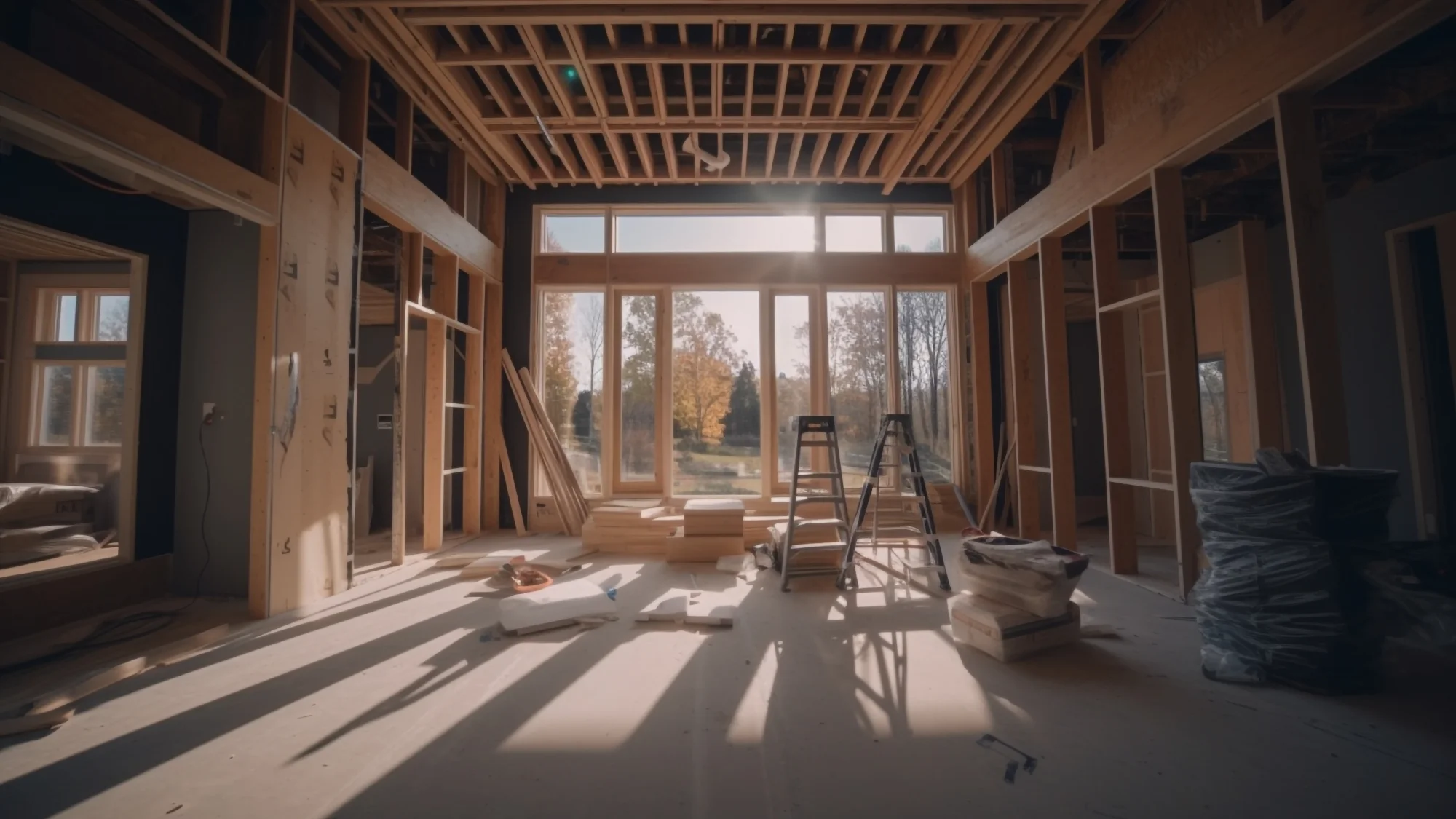

Real estate construction projects involve coordinating two major moving parts: the subcontractors doing the work and the construction loan funding it. Whether you are an experienced investor or taking on your first fix-and-flip, understanding how to manage both is fundamental to a profitable outcome.
The Role of Subcontractors in Real Estate Projects
Subcontractors are the specialists who make your project happen, from electricians and plumbers to roofers and painters. They bring expertise that general contractors, and certainly most investors, do not have. Choosing the right subcontractors can be the difference between a well-executed project and a costly problem.
How Construction Loans Work
Construction loans are designed to finance the building or renovation of a property. Unlike traditional mortgages, construction loans typically have shorter terms and release funds incrementally as project milestones are completed. Lenders like Veristone assess the project plans, the investor's experience, and the qualifications of your subcontractors before approving a loan.
How Subcontractors and Construction Loans Connect
There is a direct relationship between your construction loan and the subcontractors you hire. Lenders look favorably on projects that use reliable, insured subcontractors, which can lead to better loan terms. At the same time, secured funding reassures subcontractors that the project is viable and they will be paid on time.
Selecting the Right Subcontractors
You want a team that is skilled, reliable, and able to stick to a timeline. Gather references, review past work, and confirm that each subcontractor is properly licensed and insured. The quality of your subcontractors directly influences a lender's confidence in your project.
Aligning Loan Draws with Subcontractor Payments
Managing disbursements from a construction loan requires a detailed payment schedule. Subcontractors typically work on a progress-payment basis, getting paid for work completed at each stage. You need to align the flow of funds from your lender with the payment expectations of your subcontractors to keep the project running smoothly.
Writing Clear Contracts to Reduce Risk
Clear contracts with your subcontractors help prevent problems before they start. These contracts should outline the scope of work, payment schedules, and what happens in the case of delays or disputes. Setting expectations upfront protects your project and your loan agreement.
Keeping Your Lender Informed
Transparent communication with your hard money lender is essential. Keep them updated on your subcontractor choices, the project's progress, and any obstacles. Lenders appreciate regular updates because it helps them assess risk and the ongoing value of their investment.
Handling Project Delays
Delays happen, even on well-planned projects. How you manage them affects both your subcontractor relationships and your standing with your lender. Have strategies in place to address setbacks quickly, and maintain open communication with everyone involved.
The Role of Inspections in Loan Draws
Construction loan disbursements are often tied to inspections. Lenders send inspectors to verify that work has been completed before releasing the next draw. This process confirms the project is on track, which protects both the lender and the investor.
Timing Draws to Project Milestones
Matching your loan draw schedule with project milestones ensures you have funds available when you need them. This requires careful planning and regular reassessment of your project timeline as work progresses.
Closing Out the Project
As your project nears completion, both subcontractor management and loan management need to be airtight. Final payouts depend on final inspections and fulfillment of all contractual obligations. Make sure you have met all lender requirements and subcontractor agreements to close out the project successfully.
A well-managed construction loan and subcontractor relationship can be the difference between a profitable investment and an expensive lesson. With attention to detail, precise coordination, and transparent communication, you can complete real estate construction projects with confidence and stronger returns.
